Gochu: The Sweet Touch Your Culinary Branding Needs
What Makes Gochu Stand Out?
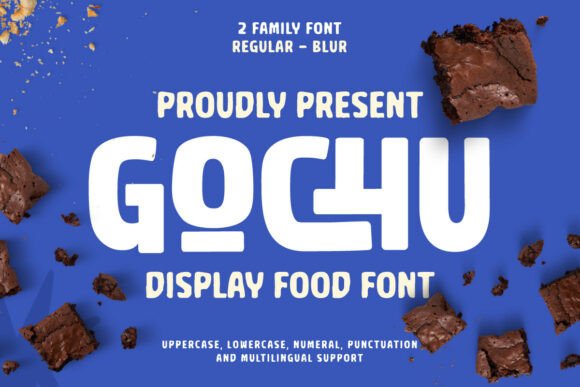
Gochu isn’t just another font—it’s a warm hug in typographic form. Designed with soft curves, plump letterforms, and a handcrafted aesthetic, Gochu instantly brings to mind the comforting scent of fresh pastries and the gentle hum of a neighborhood bakery. Whether you're branding a new dessert shop or designing a food blog, Gochu adds a layer of charm that feels both personal and professional.
Its unique personality comes from its attention to detail. Each letter is slightly rounded and uneven, mimicking the look of something drawn by hand rather than typed on a keyboard. This subtle imperfection is what makes Gochu feel so authentic and approachable. It's not trying to be perfect—it's trying to feel real.
Where Gochu Shines Brightest
When it comes to culinary-themed design, Gochu is incredibly versatile. Let’s take a look at some of the most common—and effective—places where Gochu makes a big impact:
- Bakery logos: A bakery’s logo is often the first thing customers see. Gochu’s friendly, inviting appearance makes it ideal for logos that need to feel welcoming and trustworthy.
- Packaging for cookies, cupcakes, and cakes: From cupcake wrappers to cookie boxes, Gochu brings a sense of whimsy and warmth that makes baked goods feel even more delicious.
- Dessert menus: Whether it's a chalkboard in a café or a printed menu at a pop-up bakery, Gochu makes dessert names look more tempting and easier to read.
- Food blogs and recipe sites: If you run a blog focused on desserts or baking, Gochu can be used in headers, post titles, or even in promotional graphics to create a cozy, homemade vibe.
- Café and bakery branding: From signage to loyalty cards, Gochu helps create a cohesive visual identity that feels warm and familiar.
Who Benefits from Using Gochu?
Gochu appeals to a wide range of users, from solo entrepreneurs to full design teams. Here’s how different professionals can put Gochu to work:
- Small business owners: If you're launching a bakery or dessert stand, using Gochu in your branding helps establish a friendly, approachable image. It’s especially effective for businesses that want to emphasize a homemade or artisanal feel.
- Graphic designers: Designers working on food-related projects will appreciate Gochu’s flexibility. It works well in both print and digital formats and pairs nicely with more neutral fonts for contrast.
- Content creators: Whether you're a YouTuber making dessert tutorials or a food blogger curating recipes, Gochu can enhance your visual assets and make your content feel more inviting.
- Marketing teams: For brands in the food industry, Gochu can be a valuable tool in creating campaigns that feel emotionally resonant. Its warmth helps create a sense of trust and nostalgia.
Real-World Examples of Gochu in Action
Let’s take a look at how Gochu has been used effectively in real-life scenarios:
- A boutique cupcake shop used Gochu in their logo and packaging, giving their brand a playful and memorable identity that stood out from chain competitors.
- A food blogger incorporated Gochu into her website headers and Pinterest graphics, resulting in a more cohesive and emotionally engaging visual style that boosted her follower growth.
- A café rebranded with Gochu as the primary font for their menu boards and social media posts, creating a unified look that customers associated with quality and comfort.
What to Consider Before Using Gochu
While Gochu is a fantastic choice for many projects, it’s not a one-size-fits-all solution. Here are a few important factors to keep in mind before using it:
- Readability: Gochu works best at medium to large sizes. Using it in very small text (like body copy) can make it harder to read, especially in print.
- Brand tone: If your brand leans more modern or minimalist, Gochu might feel out of place. It thrives in environments where warmth and nostalgia are part of the brand personality.
- Pairing with other fonts: For contrast and balance, pair Gochu with a clean sans-serif or serif font. This helps maintain visual hierarchy and professionalism in your design.
- Licensing: Always check the licensing terms before using Gochu in commercial projects. Some fonts require a paid license for business use.
Strengths That Make Gochu Worth the Effort
Despite these considerations, Gochu offers a number of distinct advantages:
- Emotional appeal: Its soft, friendly appearance naturally evokes feelings of comfort and nostalgia—perfect for food-related brands.
- Visual uniqueness: In a sea of generic fonts, Gochu stands out without feeling overly stylized or trendy.
- Versatility: While it’s ideal for bakery-related content, Gochu also works well in other creative niches like children’s books, greeting cards, and lifestyle blogs.
When Gochu Might Not Be the Best Fit
Despite its many strengths, there are situations where Gochu may not be the ideal choice:
- If you're designing for a formal or luxury brand, Gochu’s casual look might clash with the brand’s tone.
- In technical or academic contexts, where clarity and precision are key, Gochu’s decorative style could detract from readability and professionalism.
- For long-form content like whitepapers or reports, Gochu is best reserved for headlines or accents rather than body text.
Final Thoughts on Gochu
Gochu is more than just a font—it’s a design tool that helps brands and creators connect with their audience on an emotional level. Whether you're launching a new bakery, redesigning your food blog, or creating social media graphics for your café, Gochu brings a touch of handmade charm that digital fonts rarely achieve.
Its real-world applications are wide-ranging, and when used thoughtfully, it can elevate your design from good to unforgettable. If your brand is all about warmth, personality, and a little bit of sweetness, Gochu might just be the perfect typographic match for you.